

Mechanism One Mitochondrial Energy Restart — Charging the Brain at the Cellular Level
1. Three-level energy conversion: The 'three-step' from photons to bioenergy

Stage One: Complete “Photon Capture” within 1 second (rapid energy absorption)
Goal: Find the cellular target that can “catch” light: Cytochrome c oxidase (CCO) on the inner membrane of mitochondria (energy factory), equivalent to the factory's “light receptor.”
What happens: Near-infrared light at 810 nm is precisely absorbed by the “heme a₃-CuB active site” on CCO (like a key fitting into a lock).
Key reaction: The energy from the light activates electrons in CCO (excited electron transition), expelling the “nitric oxide (NO)” that was originally bound to CCO.
Direct effect: NO would normally “block” the energy production line (respiratory chain), but now that it's cleared, the electron transfer efficiency of the production line doubles (200% increase).
Stage Two: 1-5 minutes, “Energy Currency Synthesis” (convert light energy into usable energy)
Step One: Accelerated proton pumping
The active electrons move along the production line (respiratory chain), driving the “proton pump” (like a conveyor belt) to push H⁺ (protons) out of the mitochondrial membrane, creating a “proton gradient” (like potential energy of water flowing downhill).
Step Two: Rapid ATP synthesis (the brain’s “energy currency”)
H⁺ flows back across the membrane, driving the “ATP synthase” (like a generator) to rotate, and through structural changes (Loose→Tight→Open), ADP and Pi (energy materials) are quickly converted into ATP.
Actual effect: Illuminating with light at 20 mW/cm² for 10 minutes can increase ATP production by 40-60%, directly boosting the brain’s “electricity.”
2. Molecular Switch: Light-Triggered 'Regulatory Instructions'

1. Adjust redox balance (reduce brain damage)
Biphasic regulation of harmful substances (ROS): Key indicators: increased reduced glutathione (GSH), GSH/GSSG ratio increased 2.3 times (equivalent to doubling "antioxidant capacity")
2. Synchronize calcium ion oscillations (coordinate cell activity)
Effect of light: opens the "mPTP channel" on mitochondria, releasing Ca²⁺ (calcium ions) into the cell, which then triggers the "RyR receptor" on the endoplasmic reticulum to open, making calcium ion fluctuations more pronounced (called "calcium sparks").
Practical significance: the frequency of calcium ion fluctuations can coordinate with the "AMPK/mTOR pathway" in cells to adjust the "autophagy rhythm" (equivalent to helping the cell "clear waste" and stay clean)
3. Mitochondrial remodeling: optimizing the structure and efficiency of the 'energy factory'

Just like a factory upgrading equipment and adjusting its layout, mitochondria can also 'self-optimize' after light exposure:
1. Adjust fission and fusion (to avoid the 'factory' being split chaotically)
- Inhibit excessive fission: Reduce phosphorylation of the 'Drp1 protein' to prevent mitochondria from being broken into too many pieces
- Promote fusion: Increase expression of 'MFN1/2 proteins' to connect mitochondria into a network, improving energy transfer efficiency
2. Optimize internal structure (to make the production line more efficient)
- Adjust cristae structure: Light controls the cleavage of 'OPA1 protein', making the 'cristae' (the structures where the production lines are located) tighter and more layered
- Improve assembly efficiency: Accelerate assembly of the respiratory chain 'supercomplex (Respirasome)', making the production lines more organized and enhancing energy conversion efficiency
Effect: The density of cristae increases by 30%, and overall mitochondrial working efficiency greatly improves
4. Precise regulation of energy metabolism: how to achieve the best effect?

1. Choose the right wavelength of light (find the “key”)
810nm: CCO absorbs the most (780-850nm is the absorption peak), suitable for activating mitochondria in the surface layers of the brain
1064nm: penetrates deeper, can activate mitochondria deep in the brain
2. Choose the right irradiation parameters (control the “timing”)
Optimal frequency: 40Hz γ oscillation (synchronized with brain neurons and mitochondrial fluctuations for best effect)
Dose threshold:
Summary
The reason near-infrared light can “energize” the brain is that light combines with CCO, this “photosensitive switch,” to release NO’s inhibition on the energy production line, accelerate electron transfer, create a proton gradient, and drive ATP synthase to produce a large amount of ATP (energy currency). The whole process is like “light key → open factory door → start production line → produce energy,” precise and non-invasive.


Compartir:
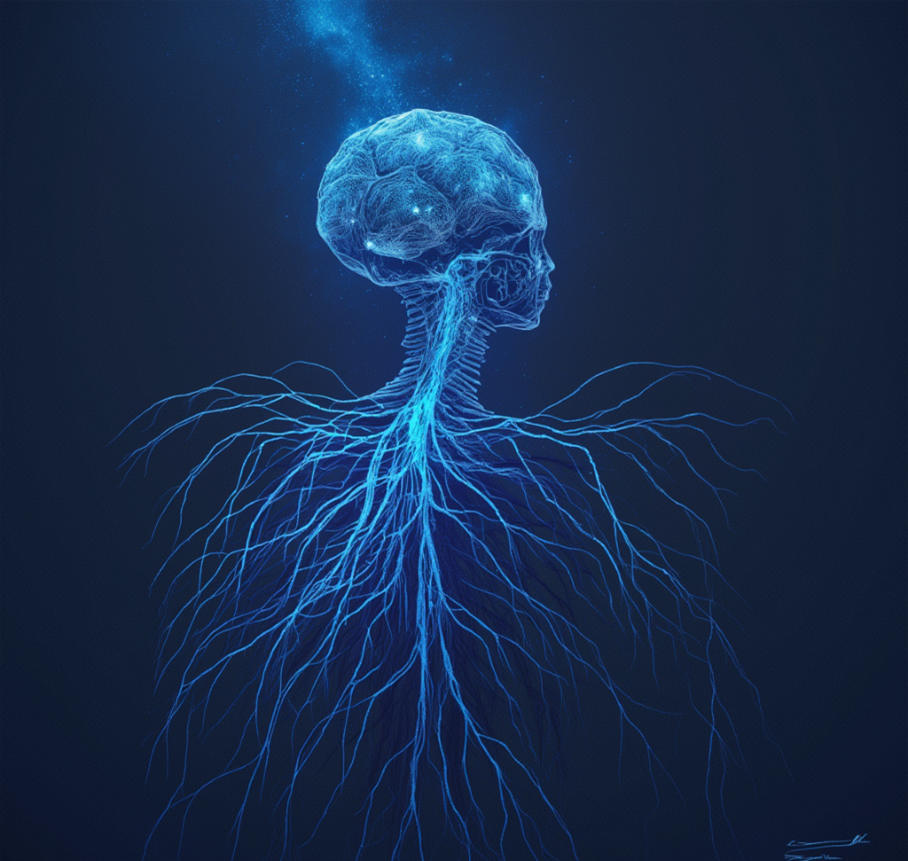
How Does Light Change the Brain? The Scientific Principles of Near-Infrared Brain Light Regulation.