
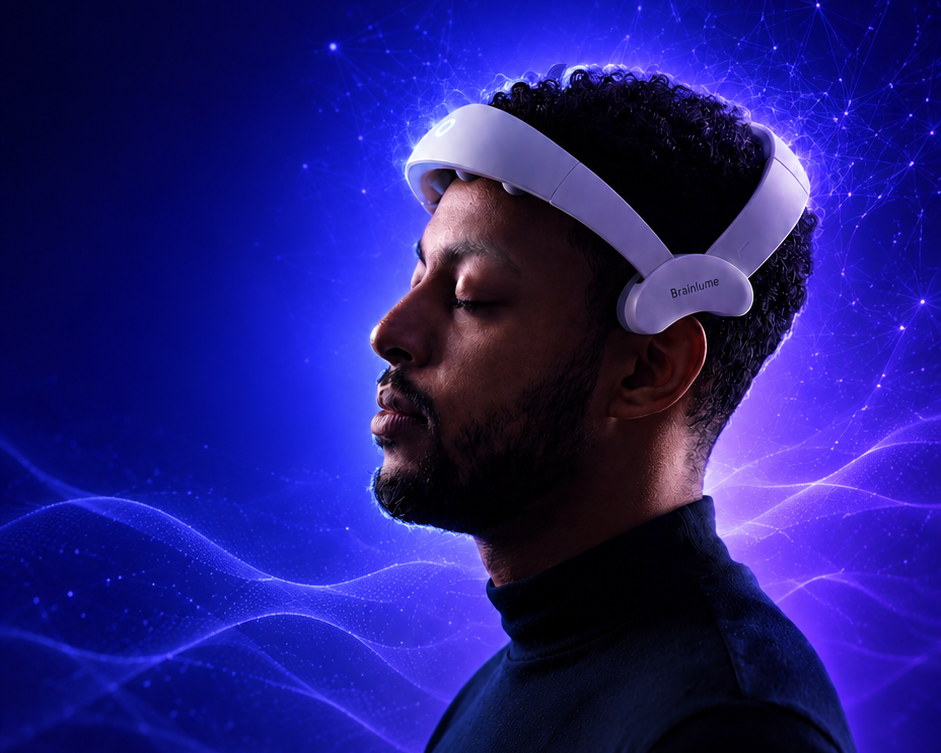
Blog Posts
Blog Posts Page
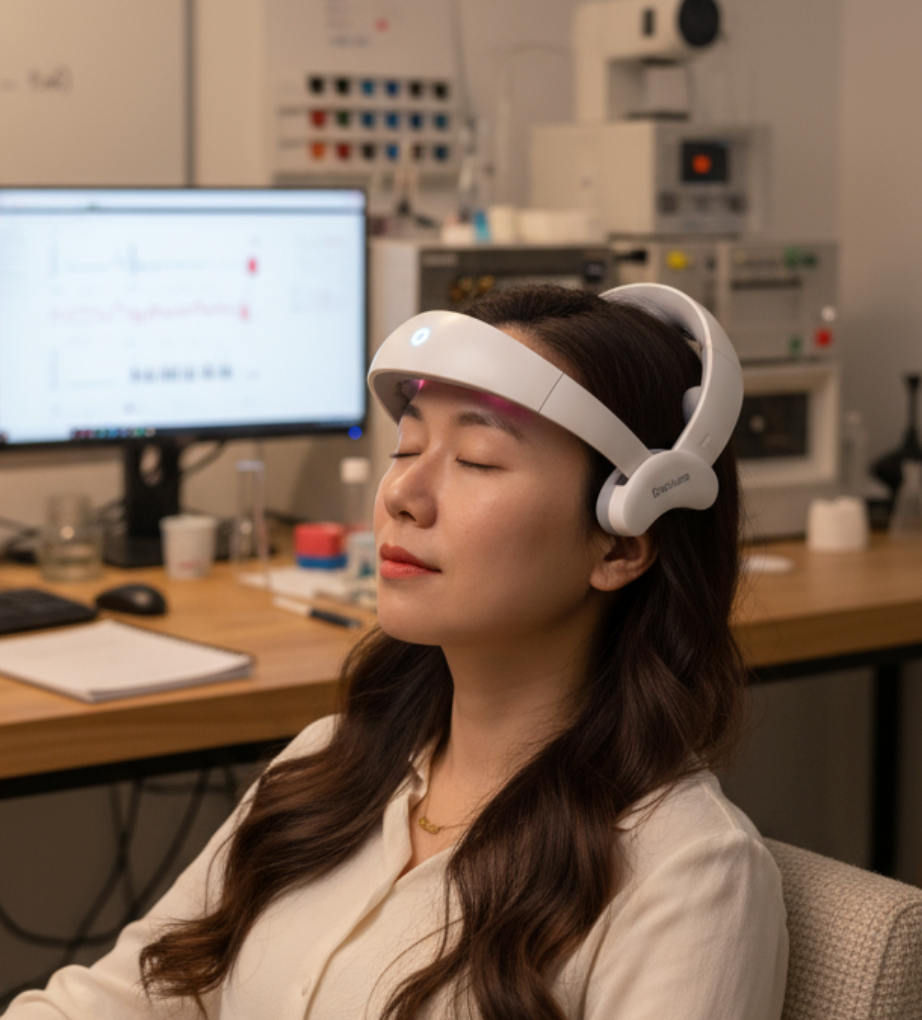
Attention Deficit Hyperactivity Disorder (ADHD) is a common neurodevelopmental condition. For many years, medication has been...

With the "14th Five-Year Plan" listing "brain science and brain-inspired research" as a major scientific and technological project and explicitly proposing to strengthen the development of cutting-edge technologies such as brain-computer interfaces...
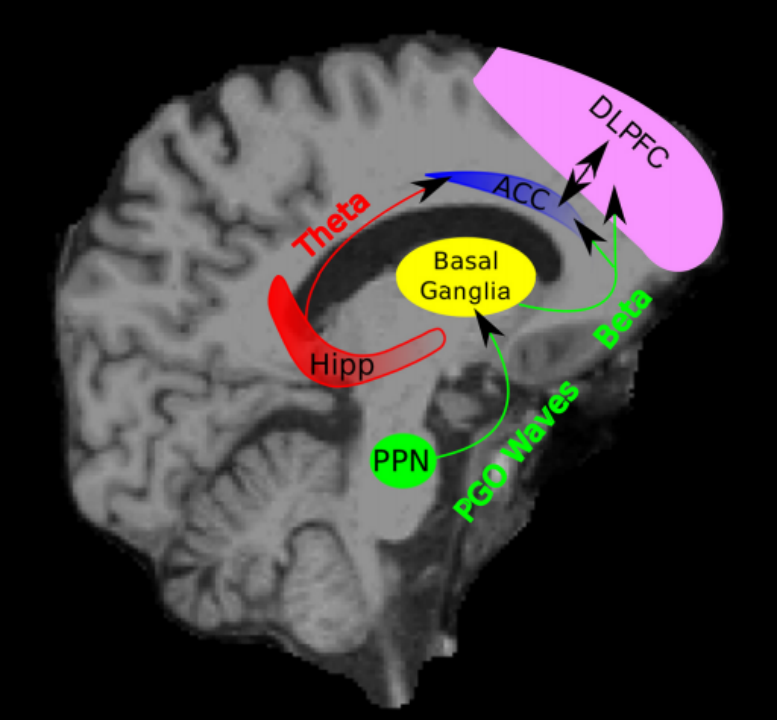
Insomnia is a common sleep disorder in contemporary society, with complex and diverse causes. Among these, the heightened brain activity before sleep caused by "working overtime and staying up late" has become a significant and undeniable factor...

Mechanism 3: BDNF and Plasticity Reconstruction — Why Light Can Promote Neural Repair
Simply put, BDNF is the brain’s “repair and growth factor” (similar to a “nutrient solution + growth hormone” for neurons). Near-infrared light acts like a “starting key” that triggers a three-stage chain reaction...
Read moreabout Mechanism 3: BDNF and Plasticity Reconstruction — Why Light Can Promote Neural Repair
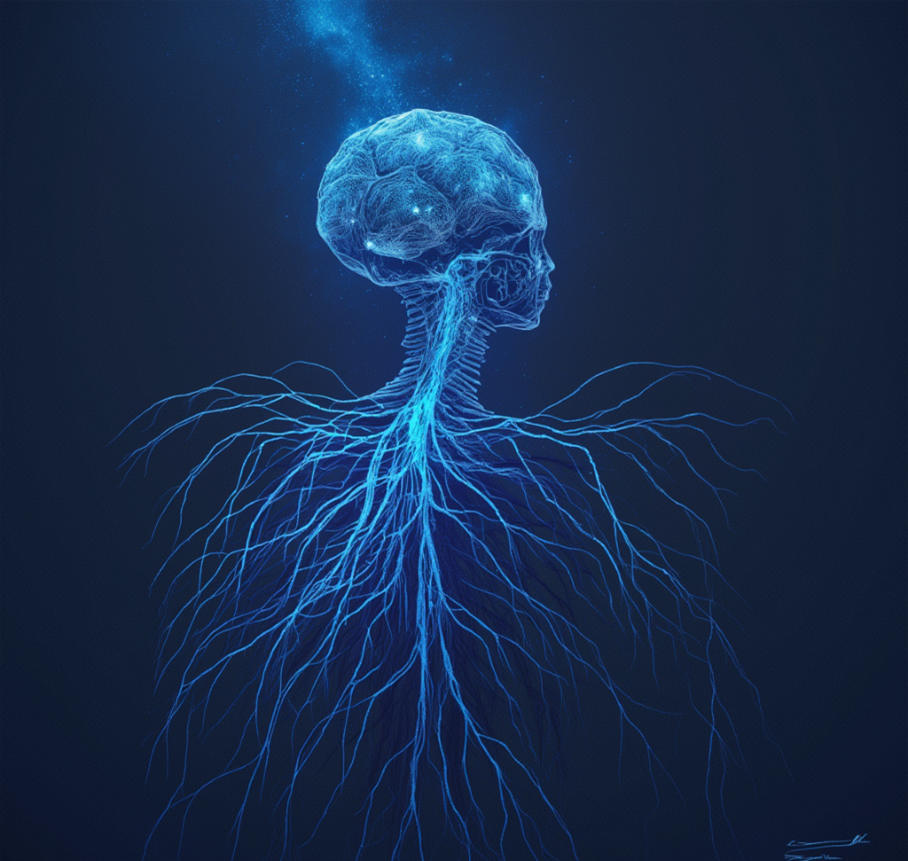
Gene modification “boost”: Viral vectors can deliver a ChR2-CCO fusion gene into neurons, allowing them to express special light-sensitive proteins...
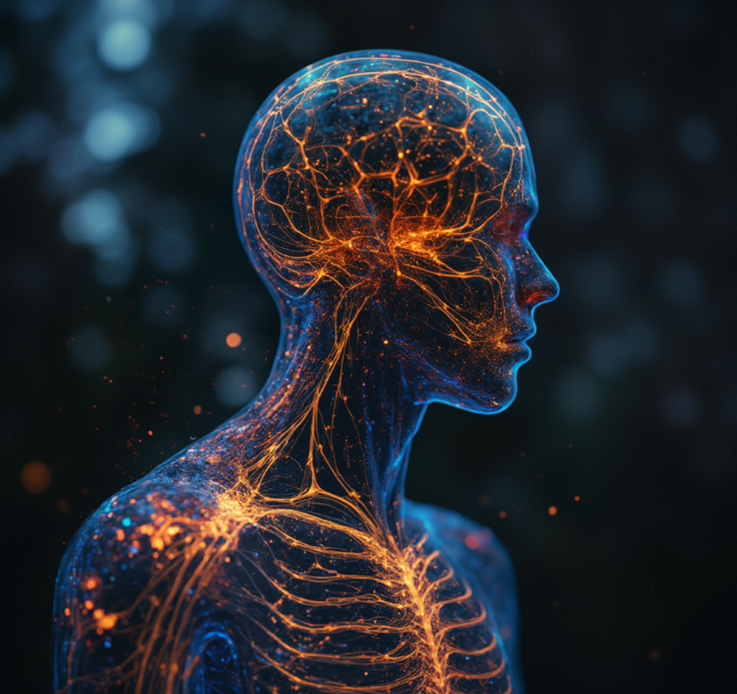
Mechanism 4: Neural Oscillation Regulation — How Light May Enhance Focus and Memory Light...
Light → Oscillations → Cognition: Four Steps to “Upgrade” the Brain, In simple terms, specific light stimulation can influence brain activity patterns, helping neural signals become more organized and potentially supporting better cognitive performance...
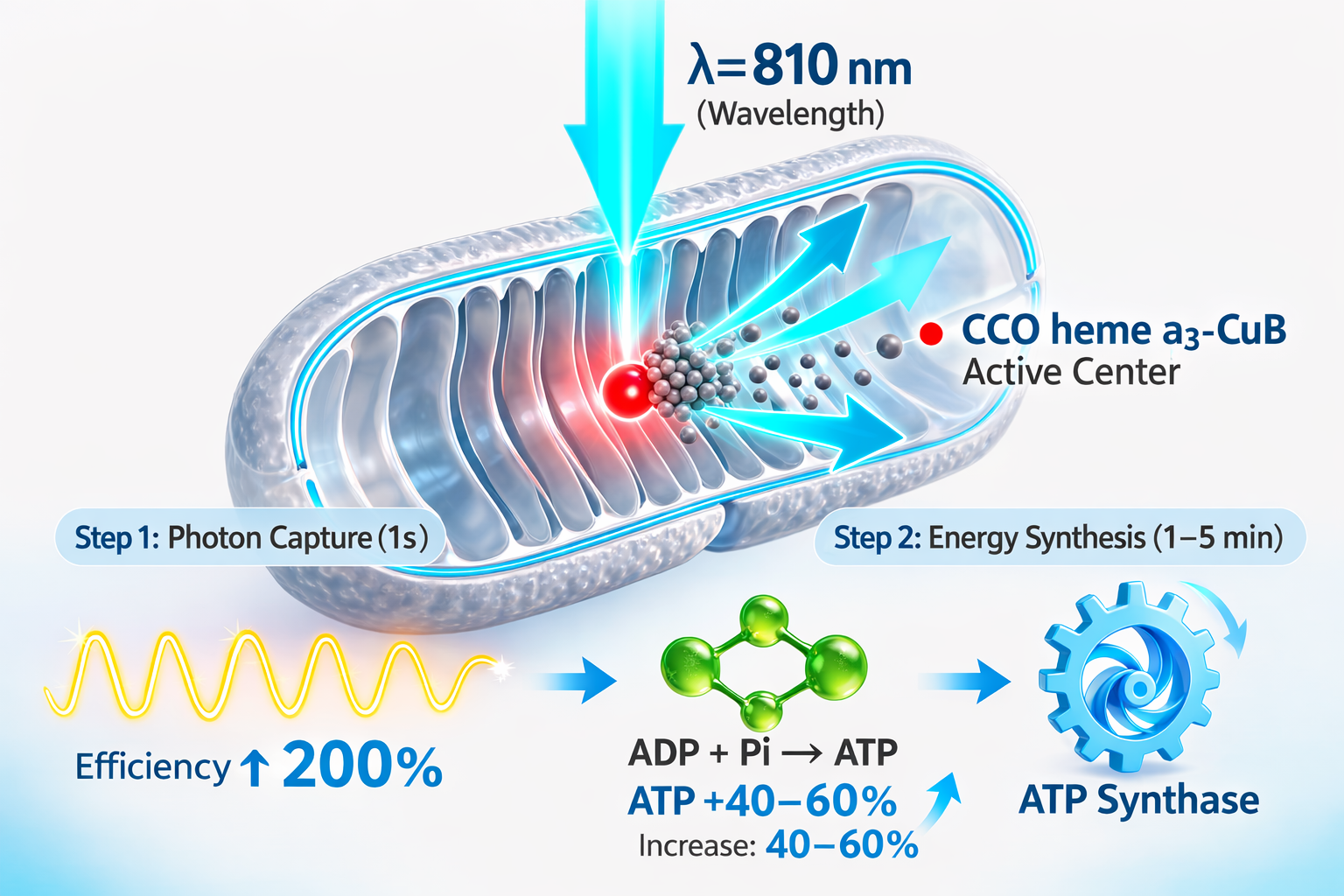
Mechanism One: Mitochondrial Energy Restart — Charging the Brain at the Cellular Level
Stage One: Complete “Photon Capture” within 1 second (rapid energy absorption)
Goal: Find the cellular target that can “catch” light: Cytochrome c oxidase (CCO) on the inner membrane of mitochondria (energy factory), equivalent to the factory's “light receptor...

How Does Light Change the Brain? The Scientific Principles of Near-Infrared Brain Light Regulation.
Near-infrared light (especially the 810 nm wavelength) acts like a special light that “recharges and repairs” the brain. By activating the mitochondria—the cell’s “energy factories”, it triggers a cascade of reactions from molecules to neural networks. Ultimately, it protects neurons, enhances memory, and improves brain function, all in a non-invasive and safe way...

On March 5, 2026, Cognito Therapeutics announced the completion of a $105 million Series C financing round. The round was led by Morningside Ventures, IAG Capital Partners, and Starbloom Capital, with participation from Apollo Health Ventures, New Vintage, Benvolio Group, and other institutions...

Many parents feel confused: what’s happening to their child? “Before, my child could sit quietly and finish a whole book. Now, after a few pages, they reach for their phone.”
“Teachers say my child often zones out in class and starts daydreaming after working for a short time.”
“When watching short videos, they’re extremely focused—but when it’s time to study, they suddenly need to go to the bathroom, drink water, or look for an eraser.”